
The desire for extra space is a universal theme in modern homeownership. Whether you need a quiet sanctuary to escape the noise of the main house, a dedicated environment to scale a remote business, or a comfortable suite to host visiting family members, looking to the backyard is often the smartest solution. Converting an existing detached accessory structure into a fully conditioned, beautifully finished room has become one of the most popular ways to expand a footprint without the massive disruption and steep financial investment of a traditional home addition.
Taking a structure originally designed to house lawnmowers, rakes, and seasonal storage and turning it into a comfortable, compliant habited room is a significant undertaking. It requires moving past superficial design choices and focusing heavily on structural soundness, weatherproofing, legal codes, and seamless integration into your existing property layout. This comprehensive guide will walk you through the essential phases of turning a humble backyard outbuilding into a premium, functional extension of your home.
Evaluating Foundation Stability and Framing Integrity

Before picking out paint colors or furniture, you must determine if the existing bones of your structure can handle the physical weight and demands of a finished living space. Standard storage outbuildings are built to different engineering tolerances than residential dwellings, meaning a deep dive into the structural skeleton is your mandatory starting point.
Evaluating the structural capacity of your current layout involves several key assessments:
- Foundation Leveling and Support: Inspect the skids, concrete blocks, or poured slab beneath the floor framing. A building that has shifted or settled unevenly will crack drywall, cause doors to stick, and compromise window seals over time.
- Floor Deflection and Joist Strength: Storage floors are often built with standard plywood over wide-spaced joists. Residential living spaces require a stiffer subfloor to eliminate bouncing and comfortably support heavy furniture, couches, and desks.
- Wall and Roof Framing: Check the spacing of the studs and rafters. Residential structures typically feature studs placed sixteen inches on center to support heavy insulation and drywall sheets securely.
- Rot and Insect Damage: Strip away any existing interior panels to check the sill plates and the bottoms of the studs for water damage, termite tracks, or wood rot.
If your structural assessment reveals that the existing building is fundamentally compromised, severely rotted, or built with substandard lumber, trying to retrofit it can quickly turn into a financial trap. In these scenarios, the most cost-effective and structurally sound choice is to clear the site completely. You can then work with specialized shed builders to construct a heavy-duty, residential-grade detached shell engineered from day one to accommodate high R-value insulation, proper roofing materials, and heavy interior wallboards.
The surrounding environment also plays a direct role in the structural longevity of your project. Heavy tree canopy cover, overhanging limbs, and aggressive root systems can physically damage your roof or shift your foundation from underneath. Before structural framing begins, it is wise to clear the airspace and ground perimeter by contacting local tree services to prune hazardous limbs, remove dead trees, and ensure that falling debris won’t puncture your newly updated roof line or disrupt the building’s stability.
Creating a Dry, Conditioned Envelope
A finished detached room is only as good as its climate control and moisture defenses. Without proper weatherproofing, a backyard studio will quickly fall victim to mold, mildew, and extreme temperature fluctuations that make it entirely unusable for most of the year.
Transforming a raw shell into a comfortable, conditioned envelope requires systematic attention to utilities and insulation:
- The Vapor Barrier: Moisture moves relentlessly through concrete and wood. Installing a continuous house wrap on the exterior and a durable poly vapor barrier on the interior floor and walls prevents condensation from rotting your insulation.
- Insulation Selection: Spray foam provides the highest R-value per inch and seals air gaps perfectly, which is vital in a small space. Fiberglass batts or rockwool are excellent, budget-friendly alternatives if your framing matches standard residential widths.
- Ventilation Strategy: A completely sealed room traps human respiration and moisture. Incorporating a small energy recovery ventilator or installing ridge and soffit vents ensures continuous, healthy air exchange.
- Climate Control Systems: Mini-split heat pumps are the gold standard for converted spaces, providing whisper-quiet heating and cooling without requiring bulky ductwork.
Bringing power to your backyard structure is a step that requires uncompromising safety and adherence to local building codes. Running a simple extension cord from the house or tapping into an existing outdoor outlet is a major fire hazard and will continually trip your breakers. To handle the electrical loads of lighting, computers, space heaters, or air conditioning systems, you must install a dedicated subpanel fed by an underground conduit from your main house panel. Safely digging trenches, calculating voltage drops, and wiring the internal outlets requires a licensed professional, so you should ensure code compliance and safety by hiring certified electrician services to execute the system installation.
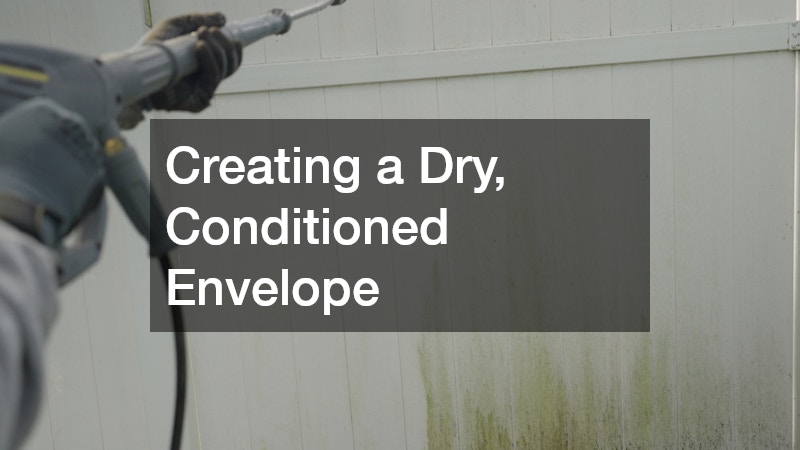
Before any insulation, wiring, or interior wallboard can be installed, the raw interior and exterior surfaces must be completely immaculate. Dirt, old organic stains, wasp nests, and deep-seated mildew on the framing will trap odors and ruin your indoor air quality once the walls are sealed up. To avoid this, dedicate a full weekend to deep cleaning the structure, utilizing professional pressure washing to thoroughly scour the exterior siding and blast away years of ground-in grime, mold, and debris from the subfloor and framework before any construction materials are attached.
Integrating the New Living Space into Your Backyard Layout
An upgraded detached room should never look like an afterthought dropped carelessly into a corner of the yard. To maximize your property value and ensure the space feels truly inviting, the exterior design must establish a visual and physical connection to your main residence.
Achieving a cohesive, premium exterior look requires a thoughtful approach to materials and access pathways:
- Siding Synchronization: Try to match the material profile of your main house, whether that means installing vinyl horizontal siding, fiber cement boards, or natural wood board-and-batten panels.
- Roofing Continuity: Use matching architectural shingles or metal roofing colors so that the outbuilding reads clearly as a natural extension of the primary property.
- Window and Door Scales: Replace tiny, cheap shed windows with full-sized, energy-efficient double-pane residential windows that flood the small floor plan with natural light.
- Architectural Details: Mirror the trim widths, fascia colors, and lighting fixtures found on your main home to tie the entire property together visually.
The exterior finishes of your backyard room must be capable of weathering constant exposure to the elements without degrading. Standard retail paints often crack and fade quickly on raw outdoor wood or aging composite siding. To achieve a seamless look that mirrors the exact color palette of your primary home while offering long-term durability against UV rays and moisture, relying on local exterior painting companies is the best way to guarantee a flawless, sprayed finish that protects your siding for a decade or more.
Once the building looks beautiful, you need a safe, stable way to get to it. Trudging through wet grass or muddy patches during autumn or winter instantly ruins the experience of using your new room and tracking mud inside destroys your new flooring. Designing a permanent, structural walkway is essential. Working with experienced paving contractors allows you to install a durable, beautifully leveled walkway made of natural flagstone, interlocking brick pavers, or poured concrete that safely guides guests from your back deck right to the threshold of your new space.
Establishing Boundaries and Green Views

To make your converted space feel like a true retreat, you need to manage privacy and control the immediate view. Looking out the window of your new home office only to lock eyes with a neighbor or stare at a line of trash cans will dramatically reduce the comfort of the room.
Creating an intimate, scenic zone around your new detached room involves deliberate spatial planning:
- Sightline Management: Situate windows and entry doors facing toward your interior yard, mature trees, or garden features rather than toward busy streets or adjacent properties.
- Layered Planting: Position tall shrubs at the rear of the structure and step down to mid-sized perennials and low groundcovers near the foundation to blend the building naturally into the earth.
- Hardscape Transitions: Build a small timber deck or stone landing directly outside the door to serve as an outdoor waiting or relaxation area that expands the usable square footage.
- Functional Zoning: Use structural plantings to physically partition the yard, separating the utility zones like compost bins or tool storage from the living space environment.
Privacy is often the number one concern when creating a guest room or quiet workspace near a property line. If your outbuilding sits close to a boundary, you need a physical barrier that offers immediate screening without looking industrial. Consulting with professional fencing companies can help you design and build a high-quality wood shadowbox fence, a modern horizontal slat screen, or a durable vinyl barrier that instantly blocks unwanted views and creates a secure, enclosed courtyard feeling around your new living area.
The immediate landscape surrounding the building base dictates how the structure settles into the broader yard. Leaving bare dirt or messy weeds around the foundation invites erosion, pooling water, and pest infestations. Hiring an experienced landscaping company ensures that the grade is sloped correctly away from your walls to protect your subfloor from pooling water, while introducing structural plantings like boxwoods, hydrangeas, or ornamental grasses that frame your windows with gorgeous, calming views.
Protecting Your Investment for the Long Haul

With the framing completed, utilities hooked up, and the exterior beautifully styled, the final phase focuses on the detailed touches that preserve your hard work and keep the entire backyard environment operating smoothly.
A comprehensive long-term care strategy includes several routine upkeep measures:
- Gutter and Downspout Cleaning: Clear leaves out of the roof troughs twice a year to prevent water from backing up under the shingles or pooling near the foundation wood.
- Siding Inspections: Walk the perimeter every spring to look for any popped nails, caulking gaps around windows, or areas where ground moisture might be splashing up.
- Interior Air Quality Management: Replace filters in your mini-split system regularly and run a compact dehumidifier if you notice any dampness building up during humid months.
- Pest Perimeter Checks: Maintain a clear, gravel-filled or mulched boundary between your plantings and the siding to prevent ants, termites, and rodents from finding a path inside.
Maintaining the access points and pathways surrounding your newly upgraded asset is just as vital as caring for the building itself. If your backyard path connects back to a main driveway or asphalt parking pad used for loading furniture and greeting guests, that surface needs protection against cracking, water penetration, and winter frost heaves. Utilizing professional sealcoating services to regularly refresh and coat your adjacent asphalt surfaces prevents oil damage, seals hairline cracks, and provides a clean, deep-black finish that enhances the overall curb appeal of the entire property approach.
The delicate ornamental flower beds and foundational plantings directly under the windows of your new room require consistent, detailed care to stay vibrant. Overgrown weeds, unmulched soil, and dead branches can quickly make a beautiful studio look abandoned. Contracting seasonal garden services allows you to hand off the tedious chores of precision weeding, fresh bark mulching, structural pruning, and perennial division to experts, ensuring your backyard oasis remains a pristine, inspirational view every time you look out your window.
Converting an underutilized backyard shell into an additional living space is a profoundly rewarding home improvement project. By systematically addressing structural integrity, weatherproofing, electrical safety, exterior design, and privacy landscaping, you can successfully add significant functional value to your everyday life and long-term financial value to your real estate asset.
While the journey requires careful navigation of building codes and strict attention to construction details, the result is a custom, tailored environment that perfectly supports your lifestyle. With the right balance of strategic planning, dedicated sweat equity, and targeted professional assistance for specialized tasks, you can successfully breathe brand-new life into your property and enjoy a beautiful, private backyard retreat for decades to come.