Introduction: Building a Smarter Strategy for Long-Term Home Efficiency
Keeping a home running efficiently requires more than occasional repairs or cosmetic improvements. Every home relies on interconnected systems that work together to maintain comfort, safety, and functionality. Heating and cooling systems regulate indoor temperatures, plumbing systems provide reliable water flow, drainage systems protect against moisture intrusion, and structural elements support long-term stability. When one system begins to fail, the effects can quickly spread throughout the property.
Many expensive home repairs begin as small issues that go unnoticed or are ignored. A minor leak may eventually lead to water damage behind walls. Reduced airflow can signal larger heating or cooling inefficiencies. Poor water quality may gradually damage plumbing fixtures and appliances. Without regular inspections and preventative maintenance, these small concerns often become major financial burdens.
Modern homeowners also face rising energy costs and increasing demands on home systems. Older equipment may struggle to maintain efficiency, while outdated layouts and poorly maintained infrastructure reduce overall comfort. Strategic upgrades not only improve daily living but also reduce long-term operating costs and increase property value.
Another important factor is coordination. Home systems do not function independently. Plumbing issues can affect structural stability, poor ventilation can reduce heating efficiency, and moisture problems can damage both interior finishes and exterior materials. A proactive maintenance strategy considers how these systems interact and prioritizes improvements that support the home as a whole.
Planning ahead provides significant advantages. Preventative care helps homeowners avoid emergency repairs, budget more effectively, and extend the lifespan of important equipment. Regular maintenance also improves safety by reducing the likelihood of hidden water damage, electrical hazards, mold growth, and heating system failures.
This guide explores practical strategies that help homeowners maintain efficient, reliable, and comfortable living spaces. By focusing on preventative maintenance, strategic upgrades, and coordinated home improvement planning, homeowners can protect their investment while creating a safer and more functional environment for years to come.
Improve Indoor Comfort Through Consistent Climate System Maintenance
Heating and cooling systems are among the most heavily used systems in any home. They operate continuously during periods of extreme temperatures and play a major role in indoor comfort, air quality, and energy efficiency. Without routine maintenance, these systems gradually lose performance and become more vulnerable to breakdowns.
Scheduling regular HVAC Service appointments helps identify developing problems before they become costly repairs. Professional inspections typically include cleaning components, testing airflow, checking refrigerant levels, and evaluating overall system efficiency.
An experienced air conditioning company can also help homeowners improve cooling performance during warmer months. Many cooling problems develop slowly over time, making them easy to overlook until indoor comfort noticeably declines.
Common warning signs of cooling system inefficiency include:
- Uneven temperatures throughout the home
- Weak airflow from vents
- Excess indoor humidity
- Unusual noises during operation
- Rising utility costs without increased usage
Routine maintenance tasks that improve system performance include:
- Replacing air filters every one to three months
- Cleaning debris around outdoor condenser units
- Inspecting ductwork for leaks or restrictions
- Checking thermostat calibration and programming
Homeowners can further improve cooling efficiency by addressing supporting factors throughout the home. Insulation quality, window sealing, and ventilation all influence how hard cooling systems must work to maintain temperatures.
Additional strategies for improving comfort include:
- Installing programmable thermostats
- Using ceiling fans to improve circulation
- Sealing air leaks around windows and doors
- Keeping blinds or curtains closed during peak sunlight hours
Preventative maintenance extends equipment lifespan while reducing the likelihood of emergency repairs during periods of heavy system demand.
Protect Heating Systems Before Cold Weather Creates Major Problems
Heating systems are essential for maintaining safe and comfortable indoor environments during colder weather. When heating equipment begins to fail, homeowners often experience uneven temperatures, rising utility bills, and increased safety risks.
Routine furnace-repair’>furnace repair helps prevent small mechanical issues from developing into major system failures. Components such as burners, heat exchangers, motors, and ignition systems experience wear over time and require regular inspection.
Common warning signs that heating repairs may be necessary include:
- Strange noises during startup or operation
- Inconsistent heating between rooms
- Frequent cycling on and off
- Delayed response from thermostats
- Sudden increases in energy costs
Many heating issues worsen during periods of heavy winter demand. Systems that operate continuously under strain are more likely to experience breakdowns if maintenance has been delayed.
Preventative maintenance strategies include:
- Scheduling annual heating inspections before winter
- Replacing filters regularly to maintain airflow
- Cleaning vents and return ducts
- Inspecting carbon monoxide detectors
Safety is especially important when dealing with fuel-burning heating systems. Cracked heat exchangers, blocked ventilation, or faulty ignition systems can create dangerous conditions if ignored.
Additional ways to improve heating efficiency include:
- Sealing drafts around windows and doors
- Improving attic and wall insulation
- Using zoning systems to regulate temperatures more effectively
- Keeping furniture and rugs away from vents
Consistent maintenance improves system reliability while reducing long-term operating costs and minimizing emergency repair situations during colder months.
Upgrade Heating Equipment for Better Efficiency and Reliability
At some point, aging heating systems become less cost-effective to maintain. Frequent repairs, declining efficiency, and inconsistent performance often indicate that replacement may provide better long-term value.
An experienced HVAC contractor can evaluate the condition of existing equipment and recommend upgrades that improve both efficiency and comfort. Modern systems are designed to operate more effectively while using less energy than older models.
Homeowners should consider replacement when:
- The furnace is more than 15–20 years old
- Repairs become increasingly frequent
- Energy bills continue to rise
- Heating performance becomes inconsistent
Choosing the right furnace involves more than selecting a newer unit. Proper sizing is critical for efficiency and comfort. Oversized systems cycle too frequently, while undersized systems struggle to maintain temperatures during extreme weather.
Important upgrade considerations include:
- Energy efficiency ratings
- Compatibility with existing ductwork
- Ventilation and airflow requirements
- Smart thermostat integration
Installation quality also plays a major role in long-term performance. Even efficient systems lose effectiveness when improperly installed.
Additional strategies for improving heating performance include:
- Upgrading insulation throughout the home
- Sealing duct leaks to improve airflow
- Installing smart climate control systems
- Scheduling regular post-installation inspections
Modern heating upgrades improve indoor comfort while reducing utility costs and long-term maintenance needs.
Prevent Plumbing Problems Before They Cause Structural Damage
Plumbing systems are essential for delivering clean water and removing waste efficiently, but hidden leaks and pipe deterioration can create serious structural problems if left unaddressed.
Professional plumbers help homeowners identify issues early through inspections, leak detection, and preventative maintenance. Because much of a plumbing system is hidden behind walls or beneath floors, problems often remain unnoticed until visible damage appears.
Common signs of plumbing issues include:
- Low water pressure
- Unexplained increases in water bills
- Water stains on ceilings or walls
- Slow-draining sinks or tubs
- Unusual odors near drains or fixtures
Small leaks are especially dangerous because they can lead to mold growth, wood rot, and insulation damage over time.
Preventative maintenance should include:
- Inspecting visible pipes regularly
- Checking appliance hoses and shutoff valves
- Monitoring water pressure levels
- Addressing leaks immediately
Homeowners should also pay attention to water quality and drainage performance, as mineral buildup and pipe corrosion can gradually reduce efficiency.
Additional strategies for protecting plumbing systems include:
- Avoiding harsh chemical drain cleaners
- Installing drain strainers to catch debris
- Insulating pipes in colder climates
- Scheduling routine inspections for older homes
A proactive plumbing maintenance strategy reduces water damage risks while improving long-term system reliability.
Improve Water Quality and Reduce System Wear
Water quality affects nearly every plumbing-related system within a home. Minerals, contaminants, and sediment buildup can reduce appliance efficiency, damage fixtures, and impact overall household comfort.
Reverse osmosis systems help improve water quality by removing impurities through advanced filtration processes. These systems are especially effective for improving drinking water taste and reducing contaminants commonly found in municipal or well water supplies.
Benefits of improved water quality include:
- Better tasting and cleaner drinking water
- Reduced mineral buildup in pipes and appliances
- Improved appliance efficiency and lifespan
- Lower maintenance requirements for plumbing fixtures
Hard water is a common concern in many areas. Excess minerals create scale buildup that restricts water flow and reduces heating efficiency in water-based systems.
Common indicators of water quality issues include:
- White mineral deposits around fixtures
- Dry skin or hair after bathing
- Spotting on dishes and glassware
- Reduced appliance performance
Proper maintenance is important for filtration systems to remain effective.
Maintenance practices include:
- Replacing filters on schedule
- Inspecting system seals and connections
- Sanitizing storage tanks periodically
- Monitoring water pressure and flow rates
Improving water quality not only supports healthier household water usage but also helps reduce wear on plumbing infrastructure over time.
Respond Quickly to Moisture Problems and Prevent Long-Term Damage
Moisture intrusion is one of the most destructive issues homeowners can face. Water spreads quickly through drywall, insulation, flooring, and structural framing, often causing damage far beyond the original source.
Professional water damage services help minimize structural deterioration and reduce the risk of mold growth through rapid response and proper restoration techniques.
Common causes of water damage include:
- Plumbing leaks or burst pipes
- Roof leaks
- Appliance malfunctions
- Basement flooding
- Poor exterior drainage
The longer water remains untreated, the greater the damage becomes. Moisture trapped within walls and flooring creates ideal conditions for mold and mildew development.
Important steps during water damage response include:
- Identifying and stopping the water source
- Removing standing water quickly
- Drying affected materials thoroughly
- Inspecting hidden areas for moisture retention
Preventative strategies include:
- Inspecting plumbing systems regularly
- Maintaining gutters and downspouts
- Monitoring basements and crawl spaces for moisture
- Addressing small leaks immediately
Homeowners should also pay attention to humidity levels inside the home. Excess humidity contributes to condensation, mold growth, and material deterioration.
Additional moisture prevention tips include:
- Using dehumidifiers in damp areas
- Improving ventilation in bathrooms and kitchens
- Sealing foundation cracks promptly
- Monitoring attic ventilation performance
Fast action and preventative care significantly reduce long-term structural and financial damage.
Design More Functional and Efficient Living Spaces
Modern homeowners increasingly prioritize spaces that are functional, flexible, and efficient. Thoughtful design planning improves daily comfort while also supporting long-term maintenance and energy efficiency goals.
Custom home designers help homeowners create layouts that improve flow, maximize storage, and support changing household needs. Whether remodeling existing spaces or planning additions, strategic design choices improve both usability and value.
Important design considerations include:
- Creating multi-functional living areas
- Improving natural lighting and airflow
- Maximizing storage solutions
- Planning efficient traffic flow throughout the home
Functionality should always balance aesthetics. While visual appeal is important, durable materials and practical layouts provide greater long-term benefits.
Common design improvements include:
- Open-concept layouts for better visibility and flow
- Built-in storage to reduce clutter
- Energy-efficient windows and lighting
- Flexible spaces for remote work or multi-purpose use
Design planning also affects long-term maintenance requirements. Choosing durable finishes, moisture-resistant materials, and efficient layouts reduces future repair needs.
Additional strategies for efficient design include:
- Positioning windows to maximize natural light
- Selecting low-maintenance materials
- Improving ventilation in high-moisture areas
- Planning for future accessibility needs
Thoughtful design creates more comfortable and efficient homes while reducing long-term upkeep demands.
Create a Seasonal Home Maintenance Schedule That Supports Efficiency
Home maintenance becomes more manageable when tasks are organized into a structured seasonal schedule. Different systems face different demands throughout the year, making seasonal planning essential for preventing costly repairs.
Spring maintenance priorities often include:
- Inspecting roofing and drainage systems
- Servicing cooling equipment before summer
- Checking exterior caulking and seals
- Cleaning gutters and downspouts
Summer maintenance tasks may involve:
- Monitoring cooling efficiency
- Inspecting irrigation systems for leaks
- Cleaning outdoor equipment and ventilation areas
- Managing landscaping growth near structures
Fall preparation should focus on:
- Heating system inspections
- Sealing drafts and improving insulation
- Clearing leaves and debris from drainage systems
- Preparing plumbing for colder weather
Winter maintenance typically includes:
- Monitoring indoor humidity levels
- Preventing frozen pipes
- Testing sump pumps and drainage systems
- Inspecting heating performance regularly
Tracking maintenance history also helps homeowners identify recurring issues and plan upgrades more effectively.
Conclusion: Creating a More Reliable, Efficient, and Comfortable Home
A well-maintained home is built on proactive care, strategic upgrades, and consistent attention to both visible and hidden systems. Heating, cooling, plumbing, water quality, and structural protection all work together to support daily comfort and long-term reliability. When one system is neglected, the effects often spread throughout the property, leading to higher repair costs and reduced efficiency.
Preventative maintenance allows homeowners to identify small problems before they become major emergencies. Regular inspections, seasonal servicing, and thoughtful upgrades improve equipment lifespan while reducing energy consumption and operational stress.
Strategic improvements also provide long-term financial benefits. Efficient systems, durable materials, and functional layouts reduce ongoing maintenance costs while improving resale value and overall property appeal. Homes that receive consistent care are more comfortable, safer, and better prepared to handle changing household needs over time.
Another important lesson is the value of planning ahead. Coordinating projects, budgeting proactively, and maintaining organized service records all contribute to smoother homeownership experiences. Instead of reacting to costly failures, homeowners who prioritize preventative care maintain greater control over both expenses and system performance.
Ultimately, creating an efficient and reliable home requires more than occasional repairs. It involves a long-term commitment to maintenance, improvement, and thoughtful decision-making. With the right strategy, homeowners can protect their investment, improve everyday comfort, and ensure their property remains a dependable and valuable asset for many years to come.
Keeping a home running efficiently requires more than occasional repairs or cosmetic improvements. Every home relies on interconnected systems that work together to maintain comfort, safety, and functionality. Heating and cooling systems regulate indoor temperatures, plumbing systems provide reliable water flow, drainage systems protect against moisture intrusion, and structural elements support long-term stability. When one system begins to fail, the effects can quickly spread throughout the property.
Many expensive home repairs begin as small issues that go unnoticed or are ignored. A minor leak may eventually lead to water damage behind walls. Reduced airflow can signal larger heating or cooling inefficiencies. Poor water quality may gradually damage plumbing fixtures and appliances. Without regular inspections and preventative maintenance, these small concerns often become major financial burdens.
Modern homeowners also face rising energy costs and increasing demands on home systems. Older equipment may struggle to maintain efficiency, while outdated layouts and poorly maintained infrastructure reduce overall comfort. Strategic upgrades not only improve daily living but also reduce long-term operating costs and increase property value.
Another important factor is coordination. Home systems do not function independently. Plumbing issues can affect structural stability, poor ventilation can reduce heating efficiency, and moisture problems can damage both interior finishes and exterior materials. A proactive maintenance strategy considers how these systems interact and prioritizes improvements that support the home as a whole.
Planning ahead provides significant advantages. Preventative care helps homeowners avoid emergency repairs, budget more effectively, and extend the lifespan of important equipment. Regular maintenance also improves safety by reducing the likelihood of hidden water damage, electrical hazards, mold growth, and heating system failures.
This guide explores practical strategies that help homeowners maintain efficient, reliable, and comfortable living spaces. By focusing on preventative maintenance, strategic upgrades, and coordinated home improvement planning, homeowners can protect their investment while creating a safer and more functional environment for years to come.
Improve Indoor Comfort Through Consistent Climate System Maintenance
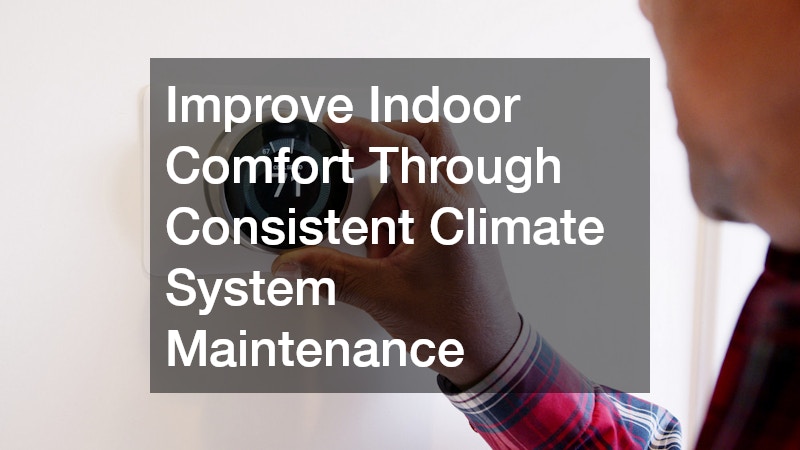
Heating and cooling systems are among the most heavily used systems in any home. They operate continuously during periods of extreme temperatures and play a major role in indoor comfort, air quality, and energy efficiency. Without routine maintenance, these systems gradually lose performance and become more vulnerable to breakdowns.
Scheduling regular HVAC Service appointments helps identify developing problems before they become costly repairs. Professional inspections typically include cleaning components, testing airflow, checking refrigerant levels, and evaluating overall system efficiency.
An experienced air conditioning company can also help homeowners improve cooling performance during warmer months. Many cooling problems develop slowly over time, making them easy to overlook until indoor comfort noticeably declines.
Common warning signs of cooling system inefficiency include:
- Uneven temperatures throughout the home
- Weak airflow from vents
- Excess indoor humidity
- Unusual noises during operation
- Rising utility costs without increased usage
Routine maintenance tasks that improve system performance include:
- Replacing air filters every one to three months
- Cleaning debris around outdoor condenser units
- Inspecting ductwork for leaks or restrictions
- Checking thermostat calibration and programming
Homeowners can further improve cooling efficiency by addressing supporting factors throughout the home. Insulation quality, window sealing, and ventilation all influence how hard cooling systems must work to maintain temperatures.
Additional strategies for improving comfort include:
- Installing programmable thermostats
- Using ceiling fans to improve circulation
- Sealing air leaks around windows and doors
- Keeping blinds or curtains closed during peak sunlight hours
Preventative maintenance extends equipment lifespan while reducing the likelihood of emergency repairs during periods of heavy system demand.
Protect Heating Systems Before Cold Weather Creates Major Problems
Heating systems are essential for maintaining safe and comfortable indoor environments during colder weather. When heating equipment begins to fail, homeowners often experience uneven temperatures, rising utility bills, and increased safety risks.
Routine furnace-repair’>furnace repair helps prevent small mechanical issues from developing into major system failures. Components such as burners, heat exchangers, motors, and ignition systems experience wear over time and require regular inspection.
Common warning signs that heating repairs may be necessary include:
- Strange noises during startup or operation
- Inconsistent heating between rooms
- Frequent cycling on and off
- Delayed response from thermostats
- Sudden increases in energy costs
Many heating issues worsen during periods of heavy winter demand. Systems that operate continuously under strain are more likely to experience breakdowns if maintenance has been delayed.
Preventative maintenance strategies include:
- Scheduling annual heating inspections before winter
- Replacing filters regularly to maintain airflow
- Cleaning vents and return ducts
- Inspecting carbon monoxide detectors
Safety is especially important when dealing with fuel-burning heating systems. Cracked heat exchangers, blocked ventilation, or faulty ignition systems can create dangerous conditions if ignored.
Additional ways to improve heating efficiency include:
- Sealing drafts around windows and doors
- Improving attic and wall insulation
- Using zoning systems to regulate temperatures more effectively
- Keeping furniture and rugs away from vents
Consistent maintenance improves system reliability while reducing long-term operating costs and minimizing emergency repair situations during colder months.
Upgrade Heating Equipment for Better Efficiency and Reliability
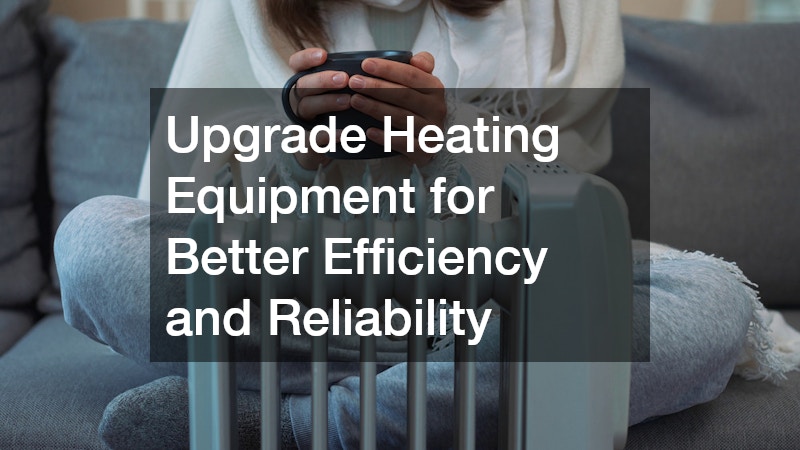
At some point, aging heating systems become less cost-effective to maintain. Frequent repairs, declining efficiency, and inconsistent performance often indicate that replacement may provide better long-term value.
An experienced HVAC contractor can evaluate the condition of existing equipment and recommend upgrades that improve both efficiency and comfort. Modern systems are designed to operate more effectively while using less energy than older models.
Homeowners should consider replacement when:
- The furnace is more than 15–20 years old
- Repairs become increasingly frequent
- Energy bills continue to rise
- Heating performance becomes inconsistent
Choosing the right furnace involves more than selecting a newer unit. Proper sizing is critical for efficiency and comfort. Oversized systems cycle too frequently, while undersized systems struggle to maintain temperatures during extreme weather.
Important upgrade considerations include:
- Energy efficiency ratings
- Compatibility with existing ductwork
- Ventilation and airflow requirements
- Smart thermostat integration
Installation quality also plays a major role in long-term performance. Even efficient systems lose effectiveness when improperly installed.
Additional strategies for improving heating performance include:
- Upgrading insulation throughout the home
- Sealing duct leaks to improve airflow
- Installing smart climate control systems
- Scheduling regular post-installation inspections
Modern heating upgrades improve indoor comfort while reducing utility costs and long-term maintenance needs.
Prevent Plumbing Problems Before They Cause Structural Damage
Plumbing systems are essential for delivering clean water and removing waste efficiently, but hidden leaks and pipe deterioration can create serious structural problems if left unaddressed.
Professional plumbers help homeowners identify issues early through inspections, leak detection, and preventative maintenance. Because much of a plumbing system is hidden behind walls or beneath floors, problems often remain unnoticed until visible damage appears.
Common signs of plumbing issues include:
- Low water pressure
- Unexplained increases in water bills
- Water stains on ceilings or walls
- Slow-draining sinks or tubs
- Unusual odors near drains or fixtures
Small leaks are especially dangerous because they can lead to mold growth, wood rot, and insulation damage over time.
Preventative maintenance should include:
- Inspecting visible pipes regularly
- Checking appliance hoses and shutoff valves
- Monitoring water pressure levels
- Addressing leaks immediately
Homeowners should also pay attention to water quality and drainage performance, as mineral buildup and pipe corrosion can gradually reduce efficiency.
Additional strategies for protecting plumbing systems include:
- Avoiding harsh chemical drain cleaners
- Installing drain strainers to catch debris
- Insulating pipes in colder climates
- Scheduling routine inspections for older homes
A proactive plumbing maintenance strategy reduces water damage risks while improving long-term system reliability.
Improve Water Quality and Reduce System Wear
Water quality affects nearly every plumbing-related system within a home. Minerals, contaminants, and sediment buildup can reduce appliance efficiency, damage fixtures, and impact overall household comfort.
Reverse osmosis systems help improve water quality by removing impurities through advanced filtration processes. These systems are especially effective for improving drinking water taste and reducing contaminants commonly found in municipal or well water supplies.
Benefits of improved water quality include:
- Better tasting and cleaner drinking water
- Reduced mineral buildup in pipes and appliances
- Improved appliance efficiency and lifespan
- Lower maintenance requirements for plumbing fixtures
Hard water is a common concern in many areas. Excess minerals create scale buildup that restricts water flow and reduces heating efficiency in water-based systems.
Common indicators of water quality issues include:
- White mineral deposits around fixtures
- Dry skin or hair after bathing
- Spotting on dishes and glassware
- Reduced appliance performance
Proper maintenance is important for filtration systems to remain effective.
Maintenance practices include:
- Replacing filters on schedule
- Inspecting system seals and connections
- Sanitizing storage tanks periodically
- Monitoring water pressure and flow rates
Improving water quality not only supports healthier household water usage but also helps reduce wear on plumbing infrastructure over time.
Respond Quickly to Moisture Problems and Prevent Long-Term Damage
Moisture intrusion is one of the most destructive issues homeowners can face. Water spreads quickly through drywall, insulation, flooring, and structural framing, often causing damage far beyond the original source.
Professional water damage services help minimize structural deterioration and reduce the risk of mold growth through rapid response and proper restoration techniques.
Common causes of water damage include:
- Plumbing leaks or burst pipes
- Roof leaks
- Appliance malfunctions
- Basement flooding
- Poor exterior drainage
The longer water remains untreated, the greater the damage becomes. Moisture trapped within walls and flooring creates ideal conditions for mold and mildew development.
Important steps during water damage response include:
- Identifying and stopping the water source
- Removing standing water quickly
- Drying affected materials thoroughly
- Inspecting hidden areas for moisture retention
Preventative strategies include:
- Inspecting plumbing systems regularly
- Maintaining gutters and downspouts
- Monitoring basements and crawl spaces for moisture
- Addressing small leaks immediately
Homeowners should also pay attention to humidity levels inside the home. Excess humidity contributes to condensation, mold growth, and material deterioration.
Additional moisture prevention tips include:
- Using dehumidifiers in damp areas
- Improving ventilation in bathrooms and kitchens
- Sealing foundation cracks promptly
- Monitoring attic ventilation performance
Fast action and preventative care significantly reduce long-term structural and financial damage.
Design More Functional and Efficient Living Spaces

Modern homeowners increasingly prioritize spaces that are functional, flexible, and efficient. Thoughtful design planning improves daily comfort while also supporting long-term maintenance and energy efficiency goals.
Custom home designers help homeowners create layouts that improve flow, maximize storage, and support changing household needs. Whether remodeling existing spaces or planning additions, strategic design choices improve both usability and value.
Important design considerations include:
- Creating multi-functional living areas
- Improving natural lighting and airflow
- Maximizing storage solutions
- Planning efficient traffic flow throughout the home
Functionality should always balance aesthetics. While visual appeal is important, durable materials and practical layouts provide greater long-term benefits.
Common design improvements include:
- Open-concept layouts for better visibility and flow
- Built-in storage to reduce clutter
- Energy-efficient windows and lighting
- Flexible spaces for remote work or multi-purpose use
Design planning also affects long-term maintenance requirements. Choosing durable finishes, moisture-resistant materials, and efficient layouts reduces future repair needs.
Additional strategies for efficient design include:
- Positioning windows to maximize natural light
- Selecting low-maintenance materials
- Improving ventilation in high-moisture areas
- Planning for future accessibility needs
Thoughtful design creates more comfortable and efficient homes while reducing long-term upkeep demands.
Create a Seasonal Home Maintenance Schedule That Supports Efficiency
Home maintenance becomes more manageable when tasks are organized into a structured seasonal schedule. Different systems face different demands throughout the year, making seasonal planning essential for preventing costly repairs.
Spring maintenance priorities often include:
- Inspecting roofing and drainage systems
- Servicing cooling equipment before summer
- Checking exterior caulking and seals
- Cleaning gutters and downspouts
Summer maintenance tasks may involve:
- Monitoring cooling efficiency
- Inspecting irrigation systems for leaks
- Cleaning outdoor equipment and ventilation areas
- Managing landscaping growth near structures
Fall preparation should focus on:
- Heating system inspections
- Sealing drafts and improving insulation
- Clearing leaves and debris from drainage systems
- Preparing plumbing for colder weather
Winter maintenance typically includes:
- Monitoring indoor humidity levels
- Preventing frozen pipes
- Testing sump pumps and drainage systems
- Inspecting heating performance regularly
Tracking maintenance history also helps homeowners identify recurring issues and plan upgrades more effectively.
Conclusion: Creating a More Reliable, Efficient, and Comfortable Home
A well-maintained home is built on proactive care, strategic upgrades, and consistent attention to both visible and hidden systems. Heating, cooling, plumbing, water quality, and structural protection all work together to support daily comfort and long-term reliability. When one system is neglected, the effects often spread throughout the property, leading to higher repair costs and reduced efficiency.
Preventative maintenance allows homeowners to identify small problems before they become major emergencies. Regular inspections, seasonal servicing, and thoughtful upgrades improve equipment lifespan while reducing energy consumption and operational stress.
Strategic improvements also provide long-term financial benefits. Efficient systems, durable materials, and functional layouts reduce ongoing maintenance costs while improving resale value and overall property appeal. Homes that receive consistent care are more comfortable, safer, and better prepared to handle changing household needs over time.
Another important lesson is the value of planning ahead. Coordinating projects, budgeting proactively, and maintaining organized service records all contribute to smoother homeownership experiences. Instead of reacting to costly failures, homeowners who prioritize preventative care maintain greater control over both expenses and system performance.
Ultimately, creating an efficient and reliable home requires more than occasional repairs. It involves a long-term commitment to maintenance, improvement, and thoughtful decision-making. With the right strategy, homeowners can protect their investment, improve everyday comfort, and ensure their property remains a dependable and valuable asset for many years to come.